
What to Expect During Your 1:1 Body Ready Method Assessment Session
Melinda Ferguson is a Certified Body Ready Method® pro (2026).
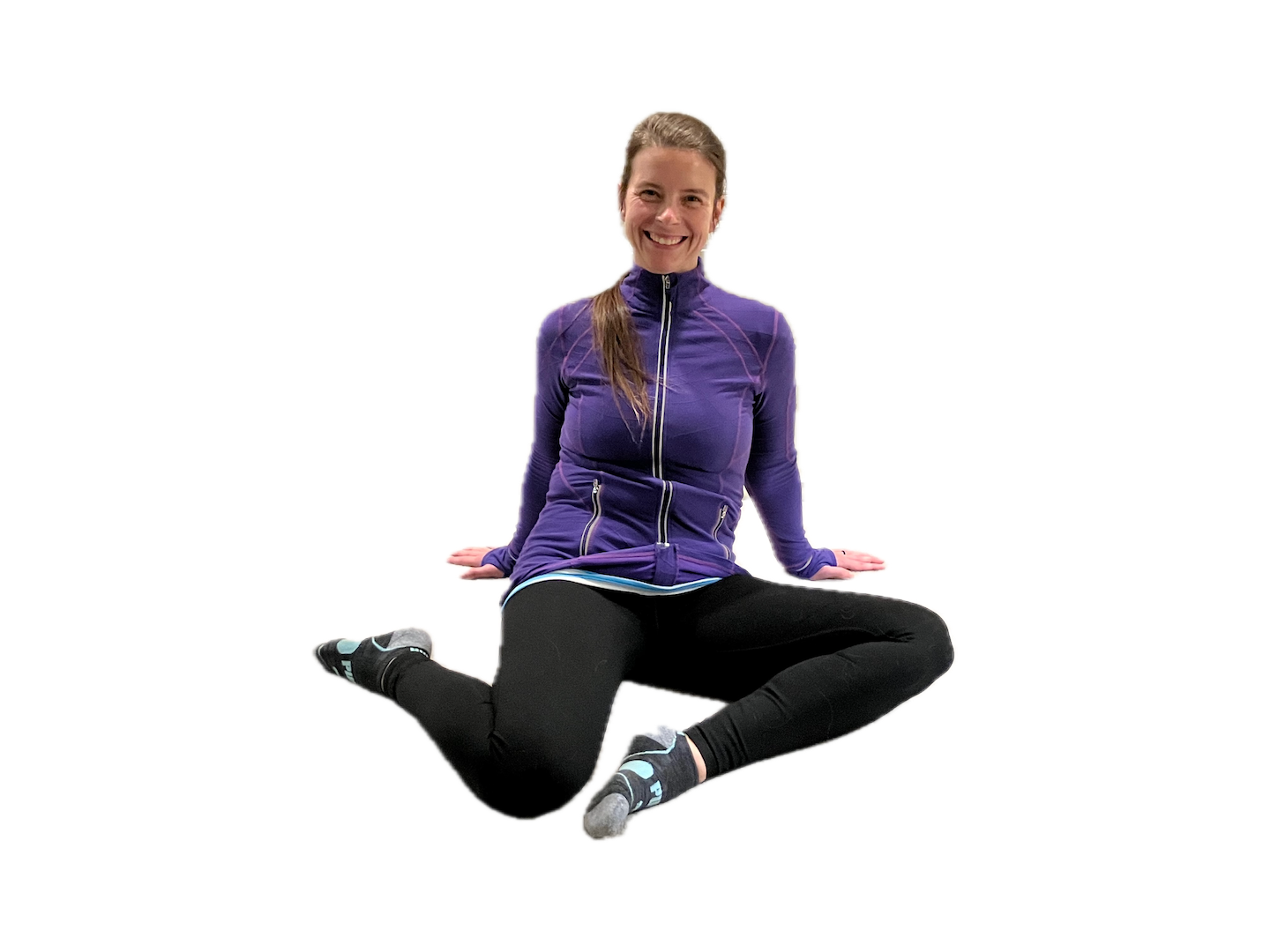
The “wiper blades” move helps to build mobility in opening up space in the pelvis.
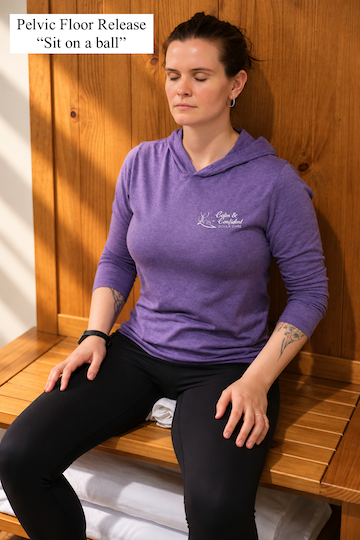
Learning to relax your pelvic floor in the presence of pressure (as the baby comes down) takes time and patience.
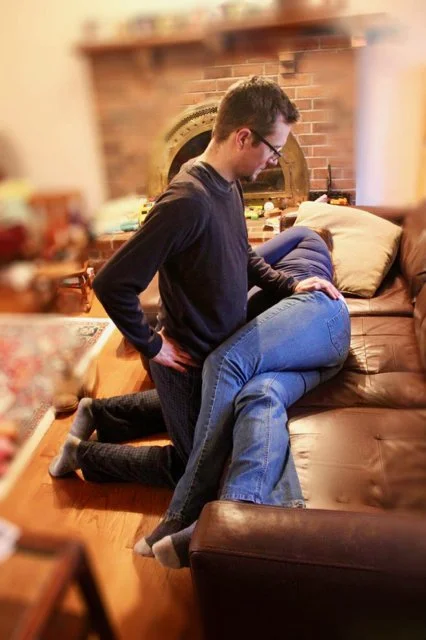
You may have heard of the Side Lying Release, or given it a try and not sure if you are doing it right. Details matter! Melinda can help you get the details right and get the best benefit from this very useful move.
Why have a BRM session? As a certified Body Ready Method® pro Melinda has a deep understanding of how to help you prepare for your desired birth. She can help you address and minimize pregnancy related aches and pains.
Labor can stall or slow for many reasons, often unclear without knowledgeable support. The medical approach for this situation is to add pitocin to make for stronger contractions. By preparing the body in advance of labor to optimize alignment, increase mobility, and address resistance (tightness), challenges of positioning can be lessened. Which way your baby is facing, if their head is tilted or there are tight muscles, ligaments etc., can all influence how smoothly your labor progresses and the need for medical intervention.
A significant component of labor progress is related to baby position and restrictions in the body. Another significant component is the laboring person’s mental state and tension. Preparing the mind to take on labor with confidence in pain coping skills and relaxation is a key piece of mental readiness for labor.
What happens during a BRM session? Prior to our first session, I’ll gather information about your physical history and current pain, as well as any prior birth history.
A BRM session is about two to three hours long.
We will start with assessing your overall body alignment. Then we can move in to specific activities to optimize your alignment and address areas of tightness, and limited or imbalanced mobility. I’ll have tips for your birth partner to assist you in doing these activities well and adjustments ideas for the future.
Next, we will discuss mentally preparing for birth with some pain coping and relaxation skills. We can identify some positive affirmations that resonate with you, do some “ice practice” and address your fears around birthing.
Following our session, I’ll send you a recap of what we discussed and pictures of the specific moves we discussed.

We can use ice as a tool to learn how to relax and manage an unpleasant sensation- Building your pain coping skills.