
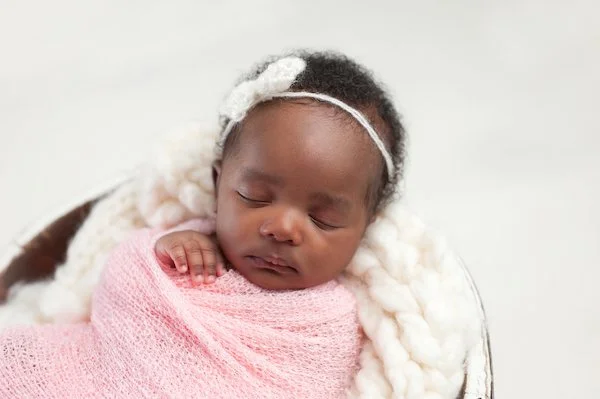
The Reality of Infant Sleep: How to Make Informed, Safe Choices for Your Family
Where your baby sleeps is a deeply personal, often exhausting topic. Between strict safety guidelines, advice from grandparents, and social media shaming, you may be feeling overwhelmed and confused.
While U.S. guidelines lean strict, real life is rarely black-and-white. The global conversation around infant sleep is finally shifting away from judgment and toward practical harm reduction.
The reality? Most newborns crave close, continuous contact. Being held close to you helps your baby feel safe. Over 60% of U.S. parents end up bed-sharing at some point, usually not as a planned decision, but out of pure exhaustion while trying to soothe a restless baby. When your baby is crying, no one is getting good sleep!
Understanding Harm Reduction: High-Risk vs. Safer Spaces
Leading global organizations,including The Lullaby Trust, UNICEF UK, the Academy of Breastfeeding Medicine, and updated guidance from the AAP,now equip parents with realistic strategies to lower risks.
The main takeaway? Avoid the highest-risk spaces entirely.
Never sleep on a couch, armchair, or recliner with your baby. Falling asleep together in these spaces increases the risk of infant death due to obstructed airway up to 50 times compared to a firm bed. (Safe Sleep Seven)
If you breastfeed/chestfeed and plan to keep your baby close, frameworks like the Safe Sleep Seven (by La Leche League) and Dr. James McKenna’s research on breastsleeping offer practical ways to make a shared bed significantly safer.
Current AAP guidelines recommend room sharing for at least the first 6 months, which reduces the risk of SIDS by up to 50% relative to sleeping in a separate room
If your parents or in-laws give conflicting advice, remember that guidelines change over time. Before the 1994 "Back to Sleep" campaign, parents were routinely told to put babies on their stomachs in separate rooms. Differing opinions across generations are completely normal, it just reflects how much the science has evolved.
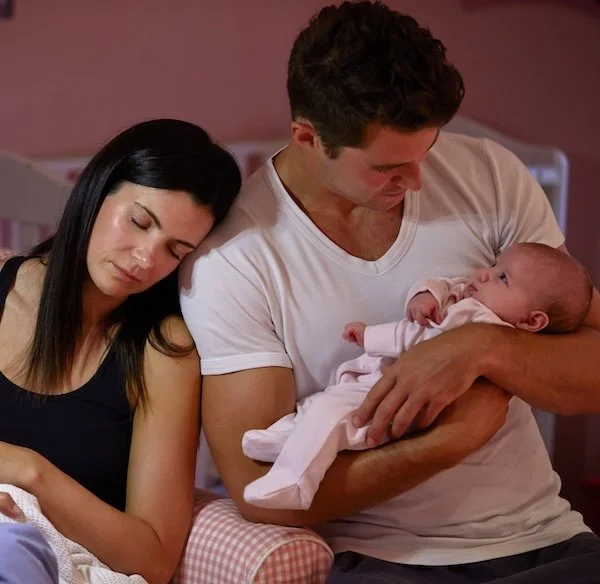
Find What Works for Your Family
Sleep is never one-size-fits-all:
Some parents sleep best with their baby in a bedside bassinet so they aren't awakened by every newborn grunt and wiggle.
Othersfeel an intense physiological need to keep baby right beside them in order to rest.
Most families end up using a mix of strategies as their baby grows.
Prep for the "Just in Case" Nights
If exhaustion hits hard in the middle of the night, having your bed prepped according to basic safe sleep guidelines (firm mattress, heavy blankets removed, no extra pillows) keeps you from accidentally falling asleep in an unsafe spot like a couch or rocking chair.
Talk through these options with your partner, family, and support team before baby arrives. Give yourself grace and have a realistic plan in place is the best way to keep everyone safe and rested.